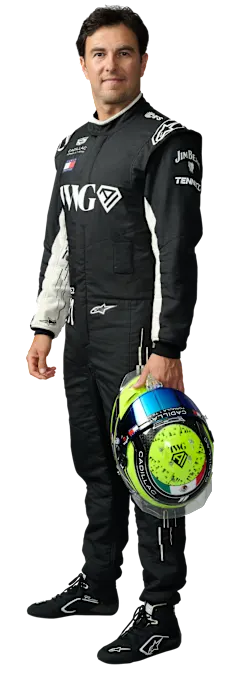
P20 in the championship after four rounds, zero points, zero wins. On paper, it's the worst stretch of Sergio Pérez's Formula 1 career. In context, it's exactly what anyone paying attention should have expected — and it isn't really the story that matters here.
Pérez is the veteran half of Cadillac's debut driver pairing, and that assignment was never going to come with a competitive car out of the box. New teams don't arrive in Formula 1 fully formed. They arrive with a wind tunnel program that's behind, a supply chain still being knitted together, and a garage where everyone is meeting their tools for the first time. Four races in, Cadillac is doing the unglamorous work of learning how to be a Formula 1 team in public, and Pérez is the driver they hired to absorb that punishment and turn it into data.
That's the job. It's why they wanted a 280-plus-start veteran with multiple grand prix wins and a Red Bull résumé in the cockpit. Not to chase Q3 in April of year one, but to give the engineers a reference point they can trust — to tell them whether a balance complaint is the car or the driver, whether a setup direction is real or noise. The standings sheet says P20. The development room says something more useful.
The American framing matters too. Cadillac is the first U.S.-manufactured F1 entry in a generation, and Pérez — a driver with deep commercial pull across the Americas — is half the public face of it. Every weekend he shows up and bangs his head against a midfield wall is a weekend the program inches forward.
What to watch: the gap to the car ahead in qualifying trim, race by race. That's the real scoreboard for Pérez and Cadillac in 2026.